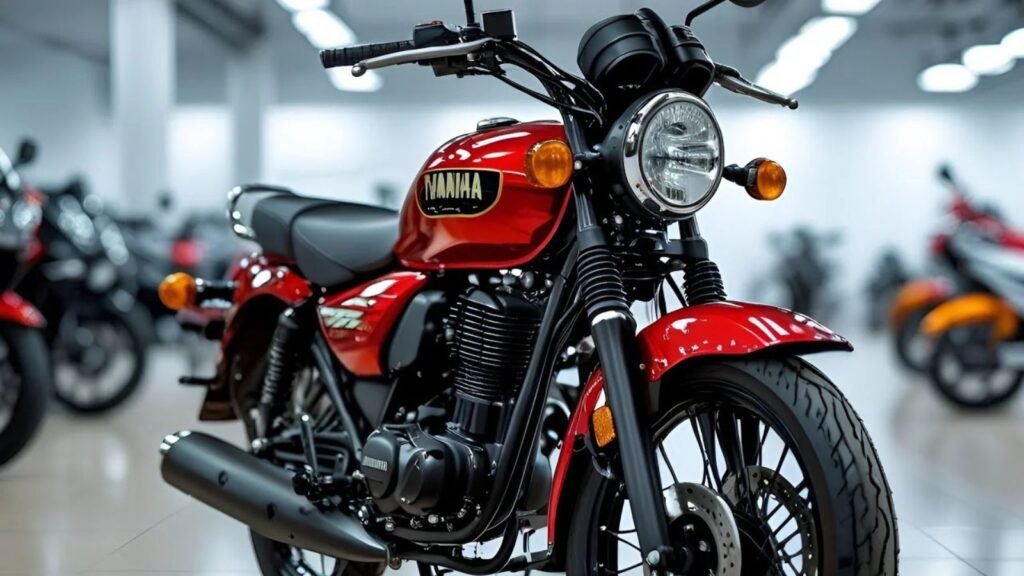

The Yamaha RX100 is not just a motorcycle; it is a timeless symbol of speed, simplicity, and pure riding excitement. For riders who grew up in the 1980s and 1990s, the Yamaha RX100 was more than just transportation—it was a dream machine that defined youth, freedom, and thrill. Even decades after production ended, the Yamaha RX100 continues to command respect on Indian roads. Its unmistakable exhaust note, lightning-quick acceleration, and lightweight agility made it stand apart in an era when motorcycles were far more basic.
What truly set the Yamaha RX100 apart was its raw, unfiltered performance. There were no electronic rider aids, no digital displays, and no complex features. It was just a compact motorcycle with a powerful heart that delivered instant excitement. The Yamaha RX100 created an emotional bond with riders that modern machines often struggle to replicate. Even today, spotting a well-maintained Yamaha RX100 on the road instantly brings back memories for enthusiasts.
Let’s explore in detail what made the Yamaha RX100 such an iconic motorcycle and why its legacy continues to grow stronger with time.
Yamaha RX100 – Key Highlights
| Feature | Details |
|---|---|
| Engine | 98cc, air-cooled, 2-stroke |
| Power | 11 HP (approx.) |
| Gearbox | 4-speed manual |
| Weight | Around 100 kg (lightweight) |
| Top Speed | 100 km/h (approx.) |
| Brakes | Front & rear drum brakes |
| Fuel Efficiency | 25–30 km/l (varies with tuning) |
| Suspension | Telescopic forks (front), Swingarm (rear) |
| Production Years | 1985–1996 (Discontinued) |
| Legacy | Cult classic, loved for raw power & sound |
Why Was the Yamaha RX100 So Popular?
The Yamaha RX100 arrived at a time when the Indian motorcycle market was dominated by fuel-efficient commuter bikes. Most motorcycles focused on practicality rather than performance. Then came the Yamaha RX100, and everything changed.
At its core was a 98cc air-cooled, two-stroke engine that produced around 11 horsepower. While that number may not sound extraordinary today, it was incredibly impressive in its time. The secret behind the Yamaha RX100 was not just horsepower—it was how that power was delivered. The two-stroke engine allowed rapid acceleration and quick throttle response, giving riders an adrenaline rush every time they twisted the throttle.
Another major reason behind the popularity of the Yamaha RX100 was its lightweight design. Weighing close to 100 kilograms, it felt agile and easy to maneuver. Whether navigating busy city streets or cruising on open highways, the Yamaha RX100 felt responsive and alive.
Its sound also played a huge role in its cult status. The sharp, high-pitched exhaust note of the Yamaha RX100 became its signature identity. Even from a distance, enthusiasts could recognize the sound instantly. For many riders, that distinctive two-stroke note was pure music.
Engine and Performance – The Heart of the Yamaha RX100
The engine of the Yamaha RX100 was its biggest highlight. The 98cc two-stroke unit was simple yet incredibly effective. Unlike four-stroke engines, the two-stroke setup produced power more frequently within each cycle, resulting in quicker bursts of acceleration.
The Yamaha RX100 could go from 0 to 60 km/h in a matter of seconds, making it one of the quickest bikes in its segment. The powerband kicked in sharply, and once it did, the bike surged forward with impressive force. This aggressive acceleration made the Yamaha RX100 extremely popular among young riders who craved speed.
The 4-speed gearbox was smooth and well-matched to the engine’s characteristics. Each gear shift felt precise, allowing riders to extract maximum performance. Even today, many enthusiasts claim that the Yamaha RX100 delivers a riding thrill that modern small-capacity bikes cannot match.
Lightweight Design and Handling
One of the defining strengths of the Yamaha RX100 was its lightweight frame. The compact dimensions combined with a low kerb weight made it incredibly nimble. In city traffic, the Yamaha RX100 could weave through vehicles effortlessly.
The chassis provided excellent balance, while the telescopic front forks and rear swingarm suspension setup offered decent ride comfort for its time. Though it lacked modern suspension technologies, the Yamaha RX100 handled Indian roads remarkably well.
Because of its lightweight build, riders could easily control the motorcycle even at higher speeds. The bike felt planted and stable, giving confidence to both beginners and experienced riders.
Design and Styling – Simple Yet Iconic
The design of the Yamaha RX100 was clean and straightforward, but it had a strong presence. The sculpted fuel tank with bold Yamaha branding, chrome-finished fenders, round headlamp, and flat seat gave it a timeless look.
The minimalistic styling of the Yamaha RX100 made it visually appealing without unnecessary elements. It was neither overly flashy nor dull—it struck the perfect balance. Many owners customized their bikes with expansion chambers, colorful paint schemes, and performance upgrades, further adding to the bike’s personality.
Even today, a restored Yamaha RX100 turns heads wherever it goes. Its classic silhouette has aged gracefully and continues to attract admiration from new generations of riders.
What Made the Yamaha RX100 a Cult Classic?
The Yamaha RX100 became a cult classic not just because of its speed, but because of the experience it offered. It demanded rider involvement. There were no rider modes, traction control systems, or digital aids. Riding the Yamaha RX100 required skill, control, and understanding of the machine.
सम्बंधित ख़बरें





Its strong presence in local racing culture also boosted its reputation. The Yamaha RX100 became a favorite in drag races and street competitions. Tuners loved modifying the engine for higher performance, and the bike responded well to performance upgrades.
Even after being discontinued in 1996, the demand for the Yamaha RX100 never faded. Enthusiasts began restoring old models, preserving them as collectibles. Today, owning a well-maintained Yamaha RX100 is considered a matter of pride among motorcycle lovers.
Why Was the Yamaha RX100 Discontinued?
The primary reason behind the discontinuation of the Yamaha RX100 was stricter emission regulations. Two-stroke engines, while powerful and exciting, were known to produce higher emissions compared to four-stroke engines.
As environmental norms tightened in the mid-1990s, manufacturers had to shift towards cleaner technologies. Yamaha eventually phased out the Yamaha RX100 in 1996 to comply with new emission standards.
Despite its discontinuation, the legend of the Yamaha RX100 only grew stronger over time.
Is the Yamaha RX100 Still Available Today?
Yamaha no longer produces the Yamaha RX100, but the used market remains active. Many well-preserved examples are available across India. Prices vary depending on condition, originality, and restoration quality.
In recent years, the value of the Yamaha RX100 has increased significantly. Enthusiasts are willing to pay premium prices for stock, well-maintained units. In some cases, restored models fetch even higher prices than when they were new.
Can the Yamaha RX100 Be Used for Daily Riding?
Technically, yes. A properly maintained Yamaha RX100 can still serve as a daily commuter. Its lightweight nature and quick acceleration make it practical in urban environments.
However, spare parts availability can sometimes be challenging. Fuel efficiency may also not match modern motorcycles. Still, for those who prioritize riding thrill over practicality, the Yamaha RX100 remains an exciting option.
The Emotional Connection
More than its specifications, the Yamaha RX100 represents an era. It symbolizes a time when motorcycles were simple, mechanical, and raw. There was no digital interference—just rider and machine.
The bond between owners and the Yamaha RX100 often goes beyond logic. Many riders refuse to sell their bikes despite rising prices. They restore them, maintain them carefully, and pass them down through generations.
The sound of a Yamaha RX100 starting up is enough to bring back memories of college days, weekend rides, and friendly street races.
Conclusion
The Yamaha RX100 was never just about commuting—it was about emotion, performance, and identity. With its lightweight body, powerful two-stroke engine, sharp acceleration, and unforgettable exhaust note, the Yamaha RX100 carved a permanent place in Indian motorcycling history.
Even decades after production stopped, the Yamaha RX100 continues to inspire passion among riders. Its legacy proves that true legends never fade—they only grow stronger with time.
If you ever get the chance to ride a Yamaha RX100, you will instantly understand why it remains one of the most celebrated motorcycles in India. The experience is raw, thrilling, and unforgettable—exactly what motorcycling is meant to be.